Start a Backyard Flock
Everything a first-time rearer needs to go from an empty yard to a laying flock of ten desi hens in three months.
8 min readUpdated 14 Sept 2026
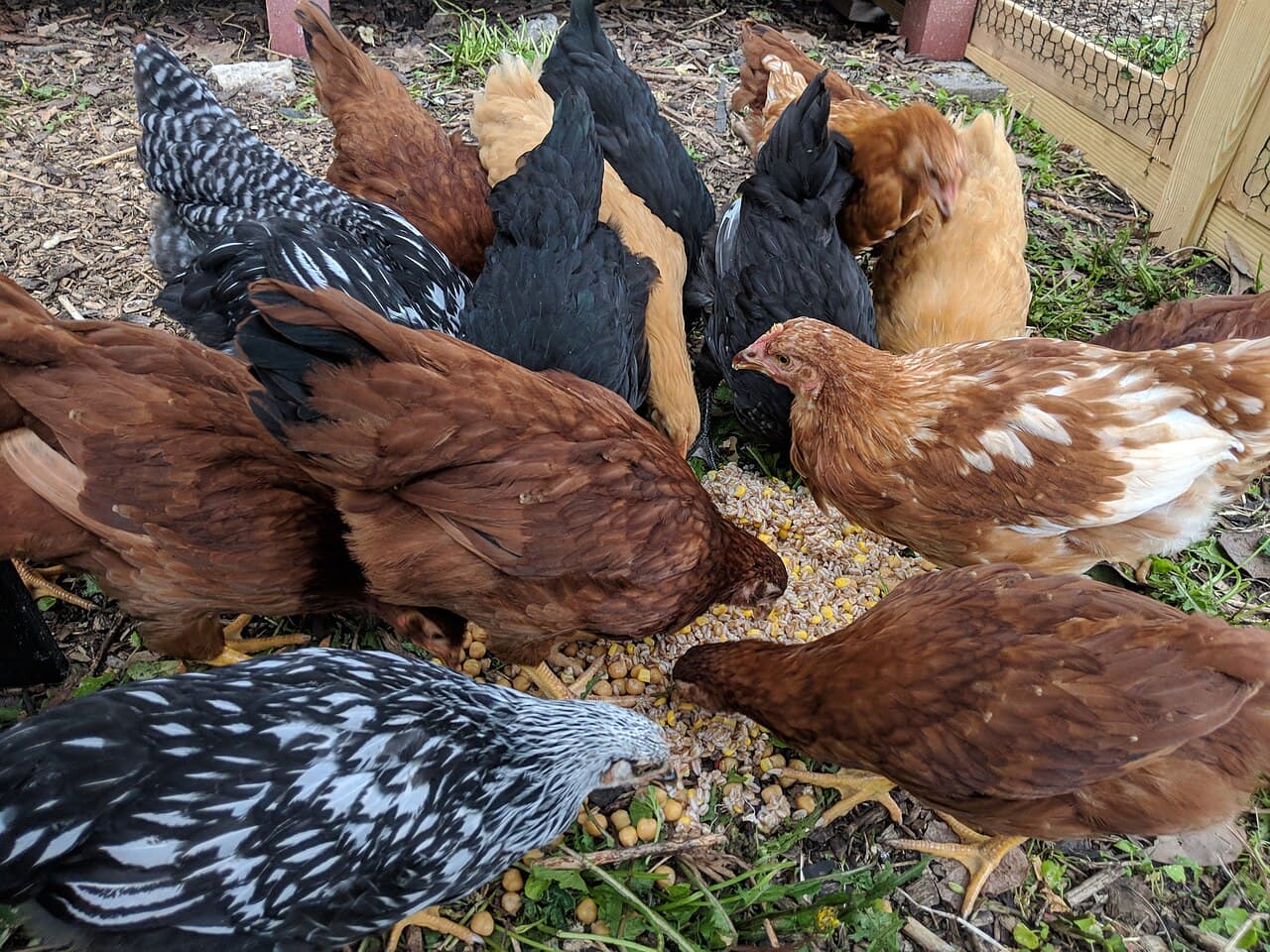
Pick a breed that suits your goal
Decide first whether you want eggs, meat or both. Gramapriya gives the most eggs from a small flock. Giriraja and Vanaraja grow faster and give you both. Kadaknath and Aseel are premium meat and show birds that take longer to mature.
If you live somewhere hot and humid, look at Naked Neck. If you have free range and a predator problem, Vanaraja's camouflage and alertness help.
How much space do you need?
Plan for about one square metre of coop floor per three birds and at least two square metres of run per bird if they will not free range. Ten hens fit comfortably in a 3 by 1.5 metre coop with a netted run.
- Raise the coop floor 30 to 45 cm off the ground to keep it dry in the monsoon.
- Face openings east so the coop gets morning sun and stays shaded in the afternoon.
- Use 2.5 cm welded mesh, not chicken wire, where rats and mongooses are common.
Budget for the first six months
For a flock of ten point-of-lay pullets expect to spend on birds, a simple bamboo coop, feeders and drinkers, and feed for six months. Buying day-old chicks is cheaper up front but adds a brooder, heat lamp and three months of waiting.
Use the listings on this marketplace to compare prices from sellers in your state. Transport is often the biggest hidden cost for live birds, so prefer a seller within driving distance.
Before the birds arrive
Set up the coop a week early, fill drinkers the night before, and have starter or grower feed ready. Ask the seller for the vaccination card and plan the next Ranikhet booster date on your calendar.